Buy phpbuddy.eu ?
We are moving the project
phpbuddy.eu .
Are you interested in purchasing the domain
phpbuddy.eu ?
domain@kv-gmbh.de · 0541-91531010
Buy phpbuddy.eu ?
What are trophic levels and trophic structures?
Trophic levels refer to the hierarchical levels in an ecosystem through which energy and nutrients flow. They represent the feeding positions of different organisms in a food chain or food web. Trophic structures, on the other hand, describe the organization of these trophic levels within an ecosystem. This includes the distribution of energy and nutrients among different organisms, as well as the interactions and relationships between them. Overall, trophic levels and trophic structures are important concepts for understanding the flow of energy and nutrients in ecosystems and the dynamics of food chains and food webs. **
Are trophic levels and trophic levels the same in biology?
No, trophic levels and trophic levels are not the same in biology. Trophic levels refer to the hierarchical levels in an ecosystem based on an organism's position in the food chain, such as producers, primary consumers, secondary consumers, etc. On the other hand, trophic cascades are the indirect effects that occur when a change in one trophic level impacts other trophic levels in the ecosystem. Both concepts are important in understanding the dynamics of energy flow and interactions within ecosystems. **

Similar search terms for Trophic
Top-Angebote
Products related to Trophic:
-
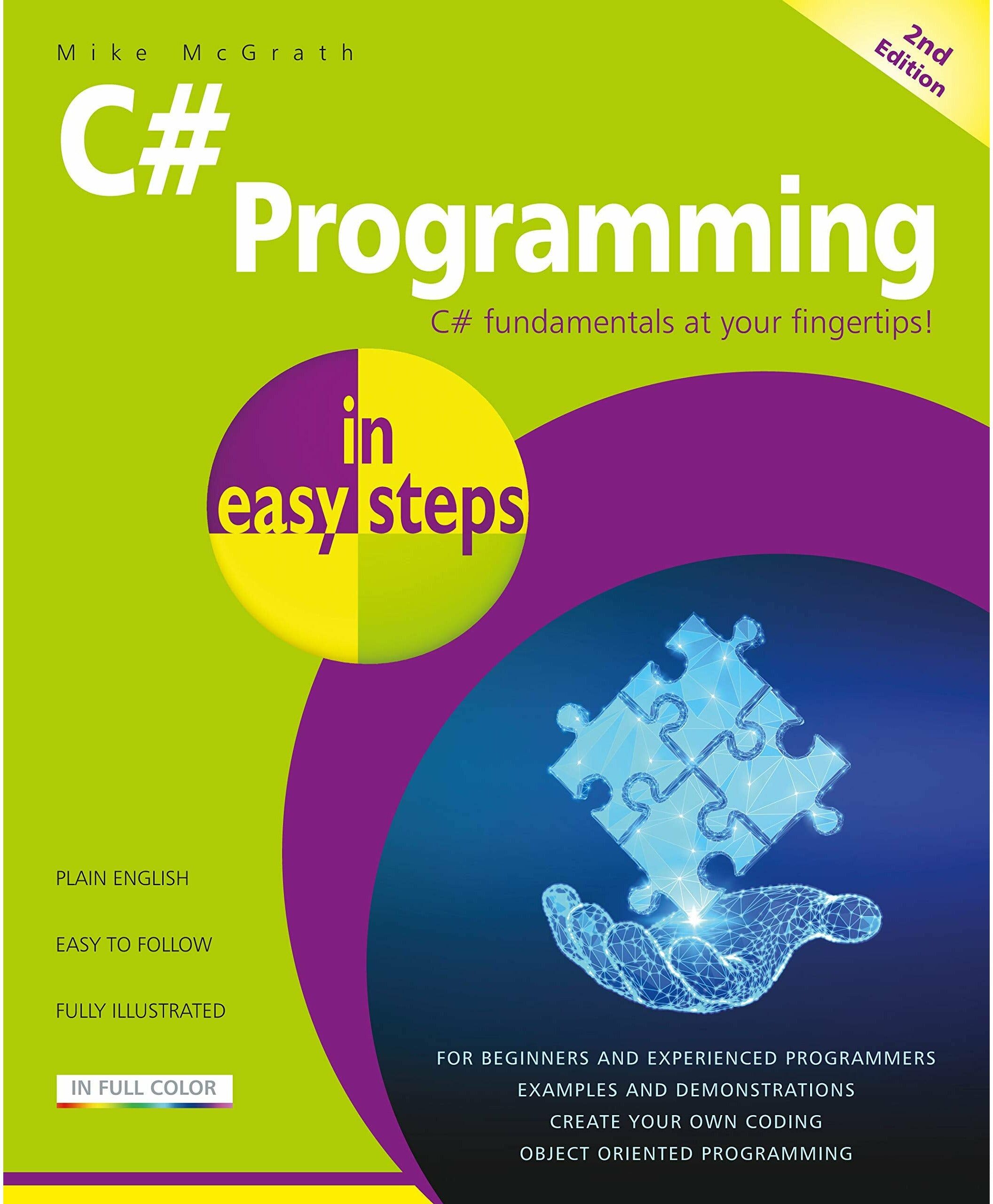
In Easy Steps Limited C# Programming in easy steps, 2nd edition by Mike McGrathC# Programming in easy steps, 2nd edition will teach you to code applications, and demonstrates every aspect of the C# language you will need to produce professional programming results. Its examples provide clear syntax-highlighted code showing C# language basics including variables, arrays, logic, looping, methods, and classes. C# Programming in easy steps, 2nd edition begins by explaining how to install the free Visual Studio Community Edition, to create an environment in which you can quickly begin to create your own executable programs by copying the book's examples. It demonstrates all the C# language basics before moving on to provide examples of Object Oriented Programming. The book concludes by demonstrating how you can use your acquired knowledge to create graphic programs for traditional PC Desktop apps, and also as Universal apps for multiple devices. C# Programming in easy steps, 2nd edition has an easy-to-follow style that will appeal to: Anyone who wants to begin programming in C# The programmer who quickly wants to add C# to their skills set The hobbyist who wants to begin creating apps for their own computer The student, and to those seeking a career in computing, who need a fundamental understanding of C# programming Table of contents: Getting started Storing values Performing operations Making statements Devising methods Handling strings Accessing files Solving problems Creating objects Controlling events Building an application Targeting devices4,98 £*Shipping: 1,99 £Secure redirect to the provider
-
Mobi Peeka Development MirrorPEEKA® developmental mirror was designed by our team of doctors, therapists and parents to help children explore, learn and grow. When you place PEEKA® in the hands of your little ones, you will be amazed at the variety of ways they find to play...26,99 $*Shipping: 0,00 $Secure redirect to the provider


-
Are trophic levels and trophic levels the same thing in biology?
No, "trophic levels" and "trophic levels" are not the same thing in biology. "Trophic levels" refer to the hierarchical levels in an ecosystem based on an organism's position in the food chain, such as producers, primary consumers, secondary consumers, and so on. On the other hand, "trophic levels" appears to be a typographical error or a repetition of the term "trophic levels." In biology, it is important to use accurate and specific terminology to avoid confusion and miscommunication. **
-
Why do organisms become larger from trophic level to trophic level?
Organisms become larger from trophic level to trophic level due to the efficiency of energy transfer in ecosystems. As energy is transferred from one trophic level to the next, there is a loss of energy in the form of heat and metabolic processes. Larger organisms are able to consume more energy-rich food sources and have a more efficient metabolism, allowing them to grow in size as they move up the food chain. Additionally, larger organisms are better equipped to capture and consume prey, giving them a competitive advantage in obtaining energy and resources. **
-
Why do organisms get larger from trophic level to trophic level?
Organisms tend to get larger from one trophic level to the next because as energy is transferred up the food chain, there is a loss of energy at each level. This means that organisms at higher trophic levels need to consume larger quantities of organisms from lower trophic levels to obtain enough energy to sustain themselves. Additionally, larger organisms are more efficient at capturing and consuming prey, allowing them to thrive at higher trophic levels. Finally, larger organisms have a lower surface area to volume ratio, which helps them retain heat and energy more effectively. **
-
Why does the biomass decrease from trophic level to trophic level?
Biomass decreases from trophic level to trophic level because energy is lost as it moves through the food chain. Organisms at each trophic level use some of the energy they consume for their own metabolic processes, such as respiration and movement, and the rest is lost as heat. This means that there is less energy available to be passed on to the next trophic level, resulting in a decrease in biomass. Additionally, not all of the energy from one trophic level is consumed by the next level, as some is lost through waste and uneaten parts of organisms. **

What are trophic levels in biology?
Trophic levels in biology refer to the hierarchical levels in an ecosystem where organisms are grouped based on their feeding relationships. The primary producers, such as plants, are at the base of the trophic levels as they convert sunlight into energy through photosynthesis. Herbivores that feed on plants are at the next level, followed by carnivores that eat herbivores. Each trophic level represents a transfer of energy and nutrients through the ecosystem, with energy decreasing as it moves up the levels. **
What is the trophic level of omnivores?
Omnivores are organisms that consume both plants and animals, so their trophic level can vary. When they consume plants, they are considered primary consumers (herbivores) and when they consume animals, they are considered secondary consumers (carnivores). This means that omnivores can occupy multiple trophic levels within a food web, depending on their diet. **
Top-Angebote
Products related to Trophic:
-
DKNY Pure Framework Indoor only Geometric Area RugThe DKNY Pure Framework collection brings soft structure and modern texture to your surroundings. Hand-tufted from wool, each rug features a flatwoven base with raised patterns that add quiet dimension.982,00 $*Shipping: 0,00 $Secure redirect to the provider
-
In Easy Steps Limited C Programming In Easy Steps 4th EditionC Programming in easy steps has an easy-to-follow style that will appeal to anyone who wants to begin programming in C, from programmers moving from another programming language, to the student who is studying C programming at school or college, or to those seeking a career in computing who need a fundamental understanding of procedural programming. C Programming in easy steps begins by explaining how to download and install a free C compiler so that you can quickly begin to create your own executable programs by copying the book's examples. You need have no previous knowledge of any programming language so it's ideal for the newcomer to computer programming. Each chapter builds your knowledge of C. C Programming in easy steps contains separate chapters on the major features of the C language. There are complete example programs that demonstrate each aspect of C together with screenshots that illustrate the output when that program has been executed. The sample code provided all has colored syntax-highlighting for clearer understanding. By the end of this book you will have gained a sound understanding of the C language and be able to write your own C programs and compile them into executable files that can be run on any compatible computer. Fully updated and revised since the third edition, which was published in April 2009.5,49 £*Shipping: 2,99 £Secure redirect to the provider
-
In Easy Steps Limited C# Programming in easy steps, 2nd edition by Mike McGrathC# Programming in easy steps, 2nd edition will teach you to code applications, and demonstrates every aspect of the C# language you will need to produce professional programming results. Its examples provide clear syntax-highlighted code showing C# language basics including variables, arrays, logic, looping, methods, and classes. C# Programming in easy steps, 2nd edition begins by explaining how to install the free Visual Studio Community Edition, to create an environment in which you can quickly begin to create your own executable programs by copying the book's examples. It demonstrates all the C# language basics before moving on to provide examples of Object Oriented Programming. The book concludes by demonstrating how you can use your acquired knowledge to create graphic programs for traditional PC Desktop apps, and also as Universal apps for multiple devices. C# Programming in easy steps, 2nd edition has an easy-to-follow style that will appeal to: Anyone who wants to begin programming in C# The programmer who quickly wants to add C# to their skills set The hobbyist who wants to begin creating apps for their own computer The student, and to those seeking a career in computing, who need a fundamental understanding of C# programming Table of contents: Getting started Storing values Performing operations Making statements Devising methods Handling strings Accessing files Solving problems Creating objects Controlling events Building an application Targeting devices4,98 £*Shipping: 1,99 £Secure redirect to the provider
-
What are trophic levels and trophic structures?
Trophic levels refer to the hierarchical levels in an ecosystem through which energy and nutrients flow. They represent the feeding positions of different organisms in a food chain or food web. Trophic structures, on the other hand, describe the organization of these trophic levels within an ecosystem. This includes the distribution of energy and nutrients among different organisms, as well as the interactions and relationships between them. Overall, trophic levels and trophic structures are important concepts for understanding the flow of energy and nutrients in ecosystems and the dynamics of food chains and food webs. **
-
Are trophic levels and trophic levels the same in biology?
No, trophic levels and trophic levels are not the same in biology. Trophic levels refer to the hierarchical levels in an ecosystem based on an organism's position in the food chain, such as producers, primary consumers, secondary consumers, etc. On the other hand, trophic cascades are the indirect effects that occur when a change in one trophic level impacts other trophic levels in the ecosystem. Both concepts are important in understanding the dynamics of energy flow and interactions within ecosystems. **
-
Are trophic levels and trophic levels the same thing in biology?
No, "trophic levels" and "trophic levels" are not the same thing in biology. "Trophic levels" refer to the hierarchical levels in an ecosystem based on an organism's position in the food chain, such as producers, primary consumers, secondary consumers, and so on. On the other hand, "trophic levels" appears to be a typographical error or a repetition of the term "trophic levels." In biology, it is important to use accurate and specific terminology to avoid confusion and miscommunication. **
-
Why do organisms become larger from trophic level to trophic level?
Organisms become larger from trophic level to trophic level due to the efficiency of energy transfer in ecosystems. As energy is transferred from one trophic level to the next, there is a loss of energy in the form of heat and metabolic processes. Larger organisms are able to consume more energy-rich food sources and have a more efficient metabolism, allowing them to grow in size as they move up the food chain. Additionally, larger organisms are better equipped to capture and consume prey, giving them a competitive advantage in obtaining energy and resources. **
Similar search terms for Trophic
-
Mobi Peeka Development MirrorPEEKA® developmental mirror was designed by our team of doctors, therapists and parents to help children explore, learn and grow. When you place PEEKA® in the hands of your little ones, you will be amazed at the variety of ways they find to play...26,99 $*Shipping: 0,00 $Secure redirect to the provider
-
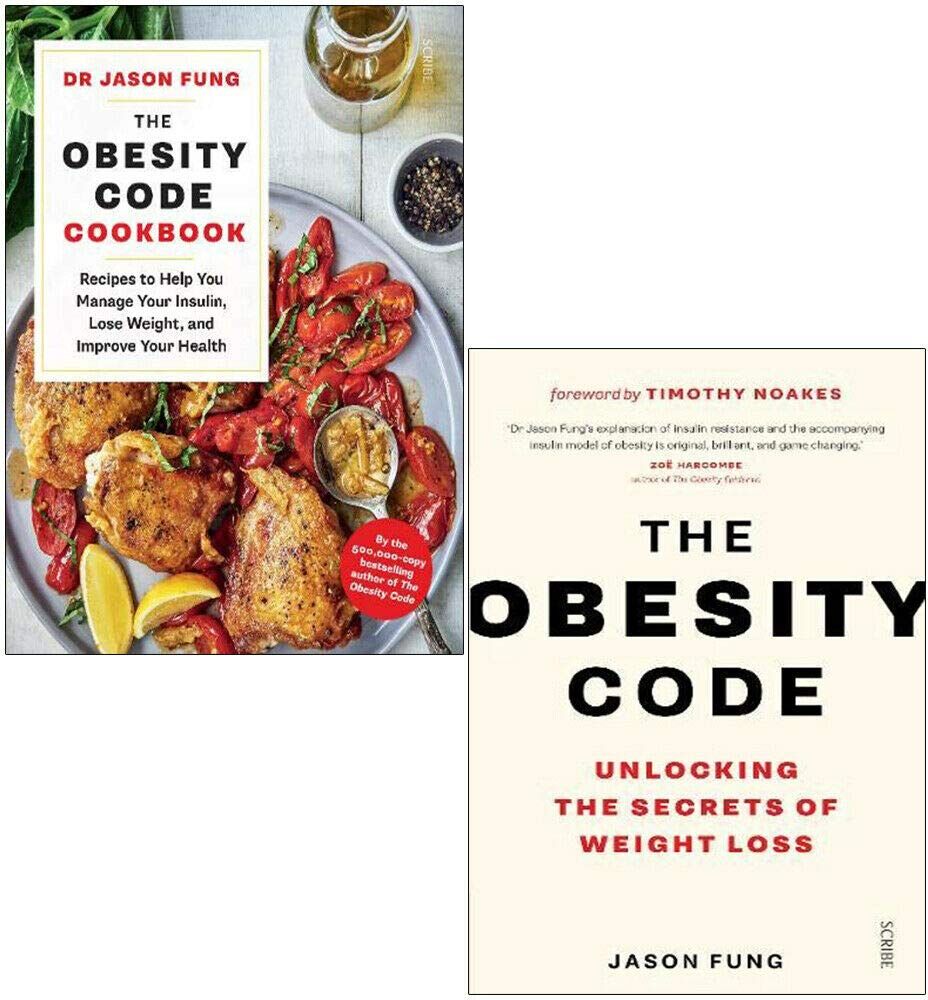
Scribe UK Dr Jason Fung 2 Books Collection Set - The Obesity Code Cookbook & The Obesity CodeDr Jason Fung 2 Books Collection Set :The Obesity Code Cookbook:By the 500,000-copy bestselling author of The Obesity Code. Recipes to revolutionalise the way you cook, eat, and live. In The Obesity Code, Dr Jason Fung introduced the idea that obesity is caused by our hormones, specifically insulin, and offered practical, easy-to-follow advice on how to lose weight for good. Now, The Obesity Code Cookbook makes it easier than ever to follow his methods.The Obesity Code:We are in the midst of an obesity epidemic, but despite being inundated with diet advice we are only getting fatter. We count calories and exercise regularly, yet still the pounds won't budge. Why? In this highly readable and provocative book, Dr Jason Fung sets out a groundbreaking new theory: that obesity is caused by our hormones, rather than a lack of self-control. He reveals that overproduction of insulin in the body is the root cause of obesity and obesity-related illnesses including type 2 diabetes, and offers robust scientific evidence that reversing insulin resistance is the only way to lose weight in the long term.14,95 £*Shipping: 2,99 £Secure redirect to the provider
-
Scribe UK The Obesity Code CookbookBy the 500;000-copy bestselling author of The Obesity Code. Recipes to revolutionalise the way you cook; eat; and live. In The Obesity Code; Dr Jason Fung introduced the idea that obesity is caused by our hormones; specifically insulin; and offered practical; easy-to-follow advice on how to lose weight for good. Now; The Obesity Code Cookbook makes it easier than ever to follow his methods. 100 mouth-watering recipes -- from slow-roasted pork shoulder to chia pudding and almond cake -- showcase healthy fats; nutrient-dense foods; and low or no carbs; with diet plans to help balance your nutrition and energy requirements with your long-term health objectives. The Obesity Code Cookbook is an indispensable tool for home cooks looking to lower insulin; lose weight; or simply lead a healthy; longer life.8,99 £*Shipping: 2,99 £Secure redirect to the provider
-
Why do organisms get larger from trophic level to trophic level?
Organisms tend to get larger from one trophic level to the next because as energy is transferred up the food chain, there is a loss of energy at each level. This means that organisms at higher trophic levels need to consume larger quantities of organisms from lower trophic levels to obtain enough energy to sustain themselves. Additionally, larger organisms are more efficient at capturing and consuming prey, allowing them to thrive at higher trophic levels. Finally, larger organisms have a lower surface area to volume ratio, which helps them retain heat and energy more effectively. **
-
Why does the biomass decrease from trophic level to trophic level?
Biomass decreases from trophic level to trophic level because energy is lost as it moves through the food chain. Organisms at each trophic level use some of the energy they consume for their own metabolic processes, such as respiration and movement, and the rest is lost as heat. This means that there is less energy available to be passed on to the next trophic level, resulting in a decrease in biomass. Additionally, not all of the energy from one trophic level is consumed by the next level, as some is lost through waste and uneaten parts of organisms. **
-
What are trophic levels in biology?
Trophic levels in biology refer to the hierarchical levels in an ecosystem where organisms are grouped based on their feeding relationships. The primary producers, such as plants, are at the base of the trophic levels as they convert sunlight into energy through photosynthesis. Herbivores that feed on plants are at the next level, followed by carnivores that eat herbivores. Each trophic level represents a transfer of energy and nutrients through the ecosystem, with energy decreasing as it moves up the levels. **
-
What is the trophic level of omnivores?
Omnivores are organisms that consume both plants and animals, so their trophic level can vary. When they consume plants, they are considered primary consumers (herbivores) and when they consume animals, they are considered secondary consumers (carnivores). This means that omnivores can occupy multiple trophic levels within a food web, depending on their diet. **
* All prices are inclusive of VAT and, if applicable, plus shipping costs. The offer information is based on the details provided by the respective shop and is updated through automated processes. Real-time updates do not occur, so deviations can occur in individual cases. ** Note: Parts of this content were created by AI.