Buy phpbuddy.eu ?
We are moving the project
phpbuddy.eu .
Are you interested in purchasing the domain
phpbuddy.eu ?
domain@kv-gmbh.de · 0541-91531010
Buy phpbuddy.eu ?
Spider web or mold?
If given the choice between spider web or mold, I would choose spider web. Spider webs are natural creations made by spiders to catch prey, whereas mold is a type of fungus that can be harmful to health if not properly dealt with. Spider webs can also be quite intricate and beautiful to look at, adding a touch of nature to the environment. **
Is spider web the feces of the spider?
No, spider webs are not the feces of the spider. Spider webs are actually made from silk produced by the spider's spinnerets, which are located at the back of the spider's abdomen. The silk is used by the spider to create webs for catching prey, building nests, or for other purposes. Feces, on the other hand, are waste materials produced by the spider's digestive system and are not used in the construction of webs. **

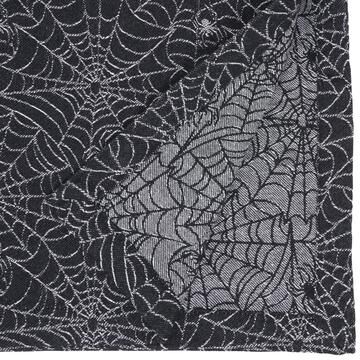
Similar search terms for Saro-Lifestyle-Spider-Web
Top-Angebote
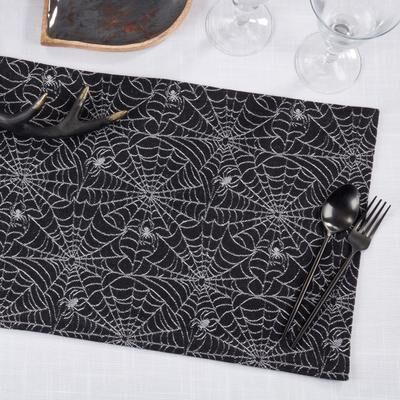
Products related to Saro-Lifestyle-Spider-Web:


-
Can tarantulas weave a spider web?
No, tarantulas cannot weave a traditional spider web like other species of spiders. They do not have the ability to produce silk from their spinnerets in the same way that other spiders do. Instead, tarantulas use their silk for lining their burrows, creating egg sacs, and sometimes for making trip wires to detect prey. Their silk is not used for constructing intricate webs for catching prey like other spiders. **
-
Does the spider not build a web?
Yes, spiders do build webs. Web-building is a common behavior among many species of spiders, and it serves as a way for them to catch prey. The construction of a web involves the spider producing silk from its spinnerets and then using it to create the intricate structure that will ensnare insects. The design and location of the web can vary depending on the species of spider and its environment. **
-
Is that mold or a spider web?
Without further context or information, it is difficult to determine whether it is mold or a spider web. Mold typically appears as a fuzzy, discolored growth on surfaces, while spider webs are typically thin, delicate, and intricate. If the substance is found in a damp or humid area, it is more likely to be mold. However, if it is found in a corner or high-up area, it may be a spider web. It is best to inspect the area closely and, if unsure, seek the advice of a professional. **
-
Could I keep a wheel-web or funnel-web spider in a faunarium?
Yes, you could keep a wheel-web or funnel-web spider in a faunarium. These types of spiders are typically small and do not require a large amount of space to thrive. A faunarium can provide a suitable environment for these spiders, as long as it is properly set up with the necessary substrate, hiding spots, and ventilation. It's important to research the specific needs of the spider species you are considering keeping to ensure that the faunarium meets their requirements for temperature, humidity, and food. **


Windows or macOS for web design/web development?
Both Windows and macOS are viable options for web design and development. Windows is known for its compatibility with a wide range of software and hardware, making it a popular choice for developers. On the other hand, macOS is preferred by many designers for its sleek interface and seamless integration with other Apple products. Ultimately, the choice between Windows and macOS comes down to personal preference and the specific tools and software you prefer to use for your web design and development projects. **
How long does a spider need to build its spider web?
The time it takes for a spider to build its web can vary depending on the species of spider and the complexity of the web. Some spiders can construct a web in as little as 30 minutes, while others may take several hours. Factors such as the availability of prey and the environmental conditions can also influence the speed at which a spider builds its web. **
Top-Angebote
Products related to Saro-Lifestyle-Spider-Web:
-
Spider web or mold?
If given the choice between spider web or mold, I would choose spider web. Spider webs are natural creations made by spiders to catch prey, whereas mold is a type of fungus that can be harmful to health if not properly dealt with. Spider webs can also be quite intricate and beautiful to look at, adding a touch of nature to the environment. **
-
Is spider web the feces of the spider?
No, spider webs are not the feces of the spider. Spider webs are actually made from silk produced by the spider's spinnerets, which are located at the back of the spider's abdomen. The silk is used by the spider to create webs for catching prey, building nests, or for other purposes. Feces, on the other hand, are waste materials produced by the spider's digestive system and are not used in the construction of webs. **
-
Can tarantulas weave a spider web?
No, tarantulas cannot weave a traditional spider web like other species of spiders. They do not have the ability to produce silk from their spinnerets in the same way that other spiders do. Instead, tarantulas use their silk for lining their burrows, creating egg sacs, and sometimes for making trip wires to detect prey. Their silk is not used for constructing intricate webs for catching prey like other spiders. **
-
Does the spider not build a web?
Yes, spiders do build webs. Web-building is a common behavior among many species of spiders, and it serves as a way for them to catch prey. The construction of a web involves the spider producing silk from its spinnerets and then using it to create the intricate structure that will ensnare insects. The design and location of the web can vary depending on the species of spider and its environment. **
Similar search terms for Saro-Lifestyle-Spider-Web
-
Is that mold or a spider web?
Without further context or information, it is difficult to determine whether it is mold or a spider web. Mold typically appears as a fuzzy, discolored growth on surfaces, while spider webs are typically thin, delicate, and intricate. If the substance is found in a damp or humid area, it is more likely to be mold. However, if it is found in a corner or high-up area, it may be a spider web. It is best to inspect the area closely and, if unsure, seek the advice of a professional. **
-
Could I keep a wheel-web or funnel-web spider in a faunarium?
Yes, you could keep a wheel-web or funnel-web spider in a faunarium. These types of spiders are typically small and do not require a large amount of space to thrive. A faunarium can provide a suitable environment for these spiders, as long as it is properly set up with the necessary substrate, hiding spots, and ventilation. It's important to research the specific needs of the spider species you are considering keeping to ensure that the faunarium meets their requirements for temperature, humidity, and food. **
-
Windows or macOS for web design/web development?
Both Windows and macOS are viable options for web design and development. Windows is known for its compatibility with a wide range of software and hardware, making it a popular choice for developers. On the other hand, macOS is preferred by many designers for its sleek interface and seamless integration with other Apple products. Ultimately, the choice between Windows and macOS comes down to personal preference and the specific tools and software you prefer to use for your web design and development projects. **
-
How long does a spider need to build its spider web?
The time it takes for a spider to build its web can vary depending on the species of spider and the complexity of the web. Some spiders can construct a web in as little as 30 minutes, while others may take several hours. Factors such as the availability of prey and the environmental conditions can also influence the speed at which a spider builds its web. **
* All prices are inclusive of VAT and, if applicable, plus shipping costs. The offer information is based on the details provided by the respective shop and is updated through automated processes. Real-time updates do not occur, so deviations can occur in individual cases. ** Note: Parts of this content were created by AI.